
Understanding Surfboards
When you walk past a board rack in Kuta Lombok, you’ll see boards of all shapes and sizes. Different lengths, outlines, rails, fins, it can feel like a whole new language. But at its core, surfboard design is all about how a board moves through the water. Each shape creates a different feeling: glide, speed, power, or control. And the beautiful thing is - there are no limits. Anyone can ride any board with time, practice, and curiosity. So instead of asking ‘Which board fits me?’, this guide focuses on learning what each board is built for, and what kind of surfing experience it offers.
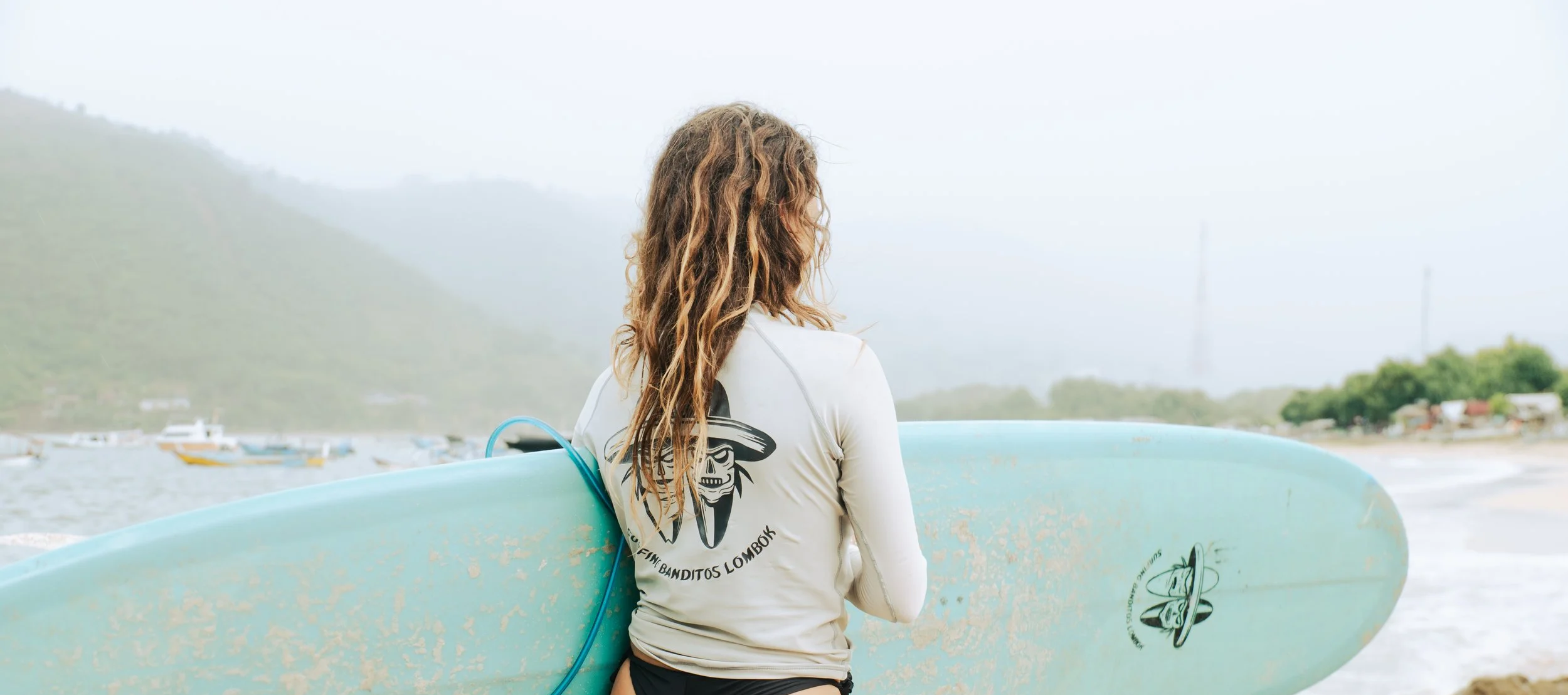
LONGBOARDS – FLOW, GLIDE & CONNECTION
Longboards, usually 8 to 10 feet, are the oldest style in modern surfing. Their length and wide outline create extra surface area, which means more buoyancy and more glide. When a long, mellow wave rolls through spots like Tanjung Aan or the softer sections around Ekas, a longboard can move with the energy of the wave long before it steepens. That’s why longboards pick up speed without much effort. They sit higher on the water and use momentum instead of force.
The rail shape is often softer and rounder, making turns smoother and flowing rather than sharp. Longboards aren’t just about riding straight They allow footwork, cross-stepping, and nose riding. It’s a style rooted in balance, timing, and ocean awareness. On clean, waist-high mornings in places like Tanjung Aan, a longboard teaches patience and rhythm. It shows how small movements of weight and stance can control a long line of rail.
In Indonesia, longboarding has been growing stronger each year. Many talented local surfers are bringing their own style to longer, playful walls proving that longboarding is as much an art form as a sport.
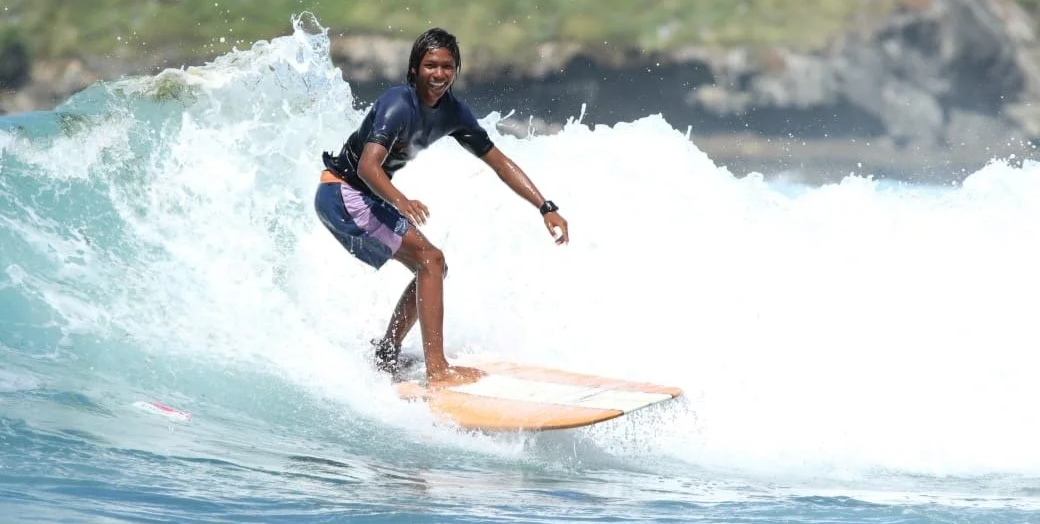
Our coach Nan
MID-LENGTHS – BALANCE & VERSATILITY
Mid-lengths, usually between 6’8” and 7’6”, sit right between glide and maneuverability. They carry more paddle power than a shortboard but react faster than a longboard. In places like Gerupuk Inside or Tanjung Aan, a mid-length can tap into sections of the wave that are too soft for a shortboard but also turn tightly enough to stay in the pocket.
Their outline is often slimmer, with a more pulled-in tail. This creates a mix of control and drive. Mid-lengths are great for learning how different parts of the rail engage with the water. You feel how a longer board draws clean, drawn-out lines, while the shorter length allows quicker adjustments. It’s a board that teaches wave reading, understanding where the energy is and how to connect sections smoothly.
Many Indonesian surfers experiment with mid-lengths to explore new styles. They bring creativity and flow into their surfing, riding longer walls with smooth transitions and graceful positioning. For many locals, mid-lengths open a new chapter in exploring style and technique across different Lombok conditions.
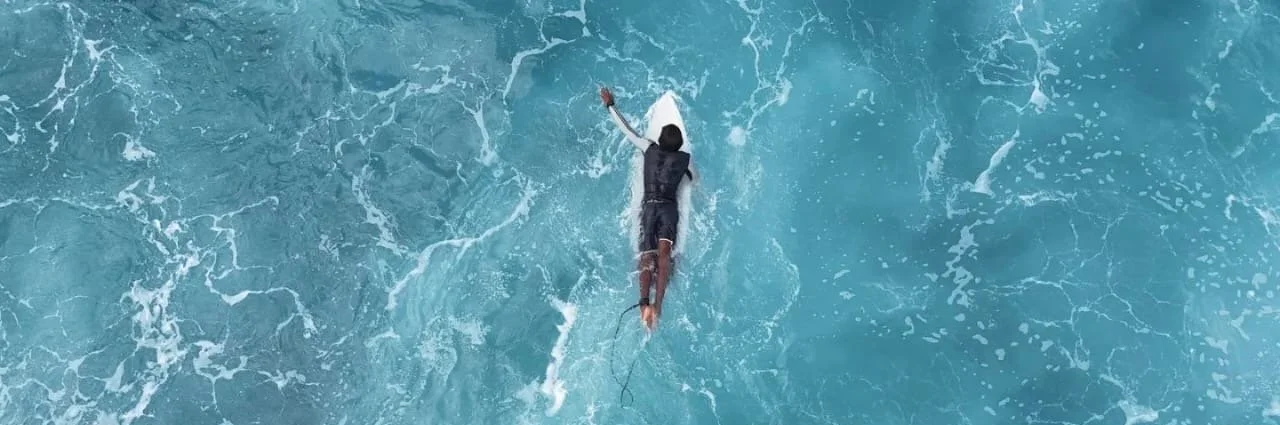
SHORTBOARDS – SPEED, POWER & PERFORMANCE
Shortboards, generally under 6'6", are made for power and sharp movement. Their narrow outline and thinner rails allow quick direction changes and fast acceleration. On steeper, more powerful waves = think Desert Point = a shortboard fits into the curve of the wave and responds instantly to
the surfer’s weight and intention.
Shortboards teach precision. Timing the takeoff, generating speed through turns, and using the rail to push against the wave. They sit deeper in the water, which means less glide but more control at high speed. This is where advanced maneuvers. Snaps, cutbacks, and barrels come to life.
Indonesia is home to many incredibly talented shortboarders. Local surfers in Lombok and across the islands have built strong reputations for powerful, fearless surfing. They charge heavy reef breaks, read fast-moving sections, and combine speed with creativity. Alongside them, many well-known Western surfers visit Indonesia to push the limits of performance surfing and explore world-class waves.
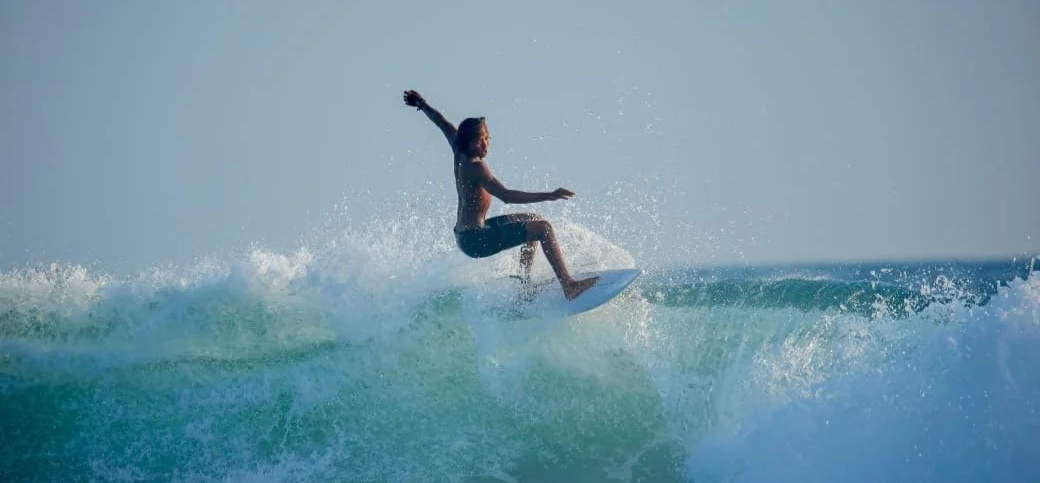
THE BEAUTY OF CHOICE
There is no rule that says a surfer must stay with one type of board. Longboards, mid-lengths, and shortboards each teach something different about water, balance, and motion. Switching between them expands awareness, skill, and style. Surfing becomes a lifelong journey of experimenting, feeling, and learning from the ocean.
In the end, every board is just another way to express yourself on a wave. There is no right or wrong. Only curiosity, commitment, and joy. And in a place like Kuta Lombok, with warm water and endless variety, there’s no better playground to explore what each board can do.